Tubod College

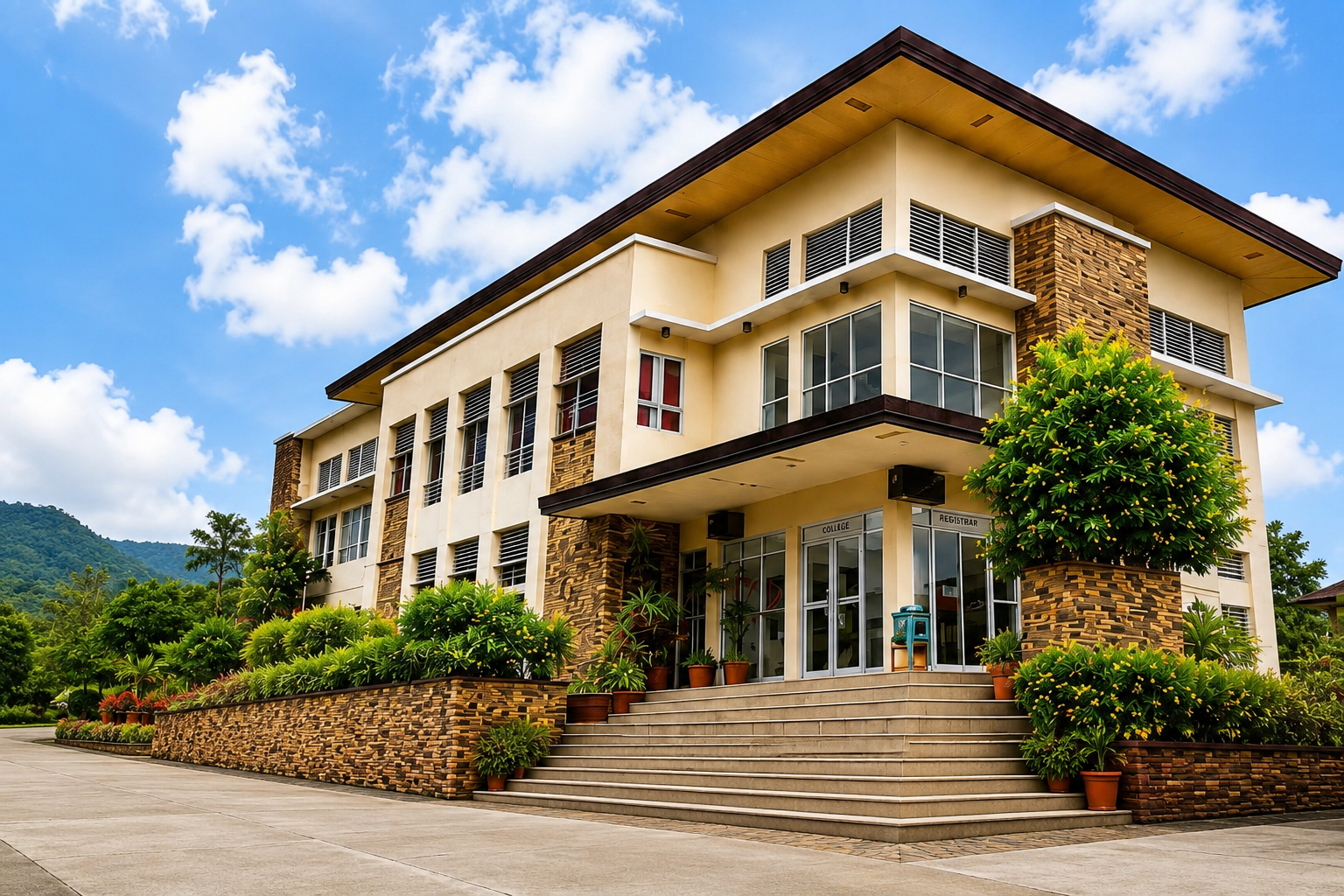
Welcome to Tubod College . It was founded in 2018, and Tubod College has grown into one of the leading institutions of higher education.

Quick Contact:
Follow Us:

Welcome to Tubod College . It was founded in 2018, and Tubod College has grown into one of the leading institutions of higher education.

Quick Contact:
Follow Us:
Tubod CollegeSustainable Development Goals

Sustainable Development Goals

Tubod College advances all 17 SDGs through education, sustainability, innovation, community engagement, equality, and responsible citizenship.
bnr-arrow-1-1
E_SDG_logo_Square_WEB.png
SDG Wheel_Transparent_WEB
Tubod College Commitment to the United Nations Sustainable Development Goals

Tubod College recognizes that higher education plays a vital role in achieving sustainable development by developing competent professionals, empowering communities, promoting social responsibility, and addressing social, economic, and environmental challenges. Guided by its commitment to accessible and quality education, community empowerment, sustainable transformation, and outcomes-based learning, Tubod College integrates the principles of the United Nations Sustainable Development Goals (UN SDGs) into its academic programs, institutional graduate attributes, community engagement, research, innovation, and environmental initiatives. The College’s Institutional Graduate Attributes are strategically mapped to 14 of the 17 UN Sustainable Development Goals, with SDG 4: Quality Education serving as the foundation for achieving other development goals.

2690 K
Students Enrolled
30 +
Academic Staff
50 +
School Awards
E-WEB-Goal-01
E_SDG_logo_Square_Transparent_WEB.png
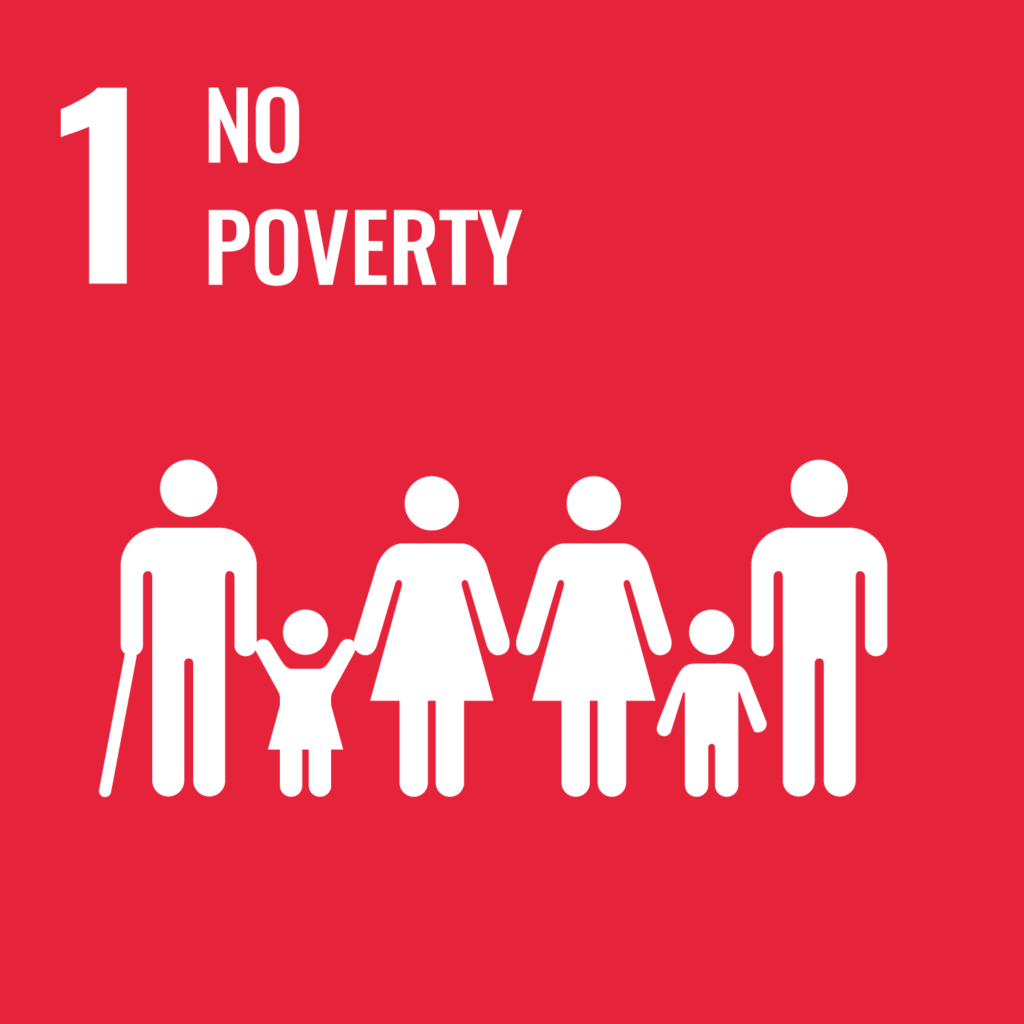
SDG 1 – No Poverty

Tubod College supports SDG 1: No Poverty through its commitment to accessible higher education and community empowerment. The College was established with the purpose of providing accessible, quality higher education to underprivileged youth and empowering local communities. Through programs such as Social Work, Agriculture, Entrepreneurship, Education, and Criminology, Tubod College prepares graduates who can contribute to livelihood development, social welfare, community services, and economic opportunities. Its Institutional Graduate Attribute on Social Responsibility and Community Empowerment specifically identifies SDG 1 as an area of alignment, emphasizing extension, outreach, accessible services, and sustainable community transformation.

E-WEB-Goal-02
E_SDG_logo_Square_Transparent_WEB.png
SDG 2 – Zero Hunger

Tubod College contributes to SDG 2: Zero Hunger primarily through its Bachelor of Science in Agriculture and its institutional commitment to agricultural resilience and food security. The Agriculture program integrates modern farming technologies, sustainable land management, and agribusiness strategies while preparing students to increase agricultural productivity while protecting natural resources and supporting rural livelihoods. Graduates are prepared to contribute to food security, climate-smart agriculture, agricultural research, extension services, and rural development. The College’s Environmental Stewardship and Sustainable Development attribute directly identifies SDG 2 as an institutional area of alignment.

E-WEB-Goal-03
E_SDG_logo_Square_Transparent_WEB.png
SDG 3 – Good Health and Well-being

Tubod College supports SDG 3: Good Health and Well-being by promoting holistic development, wellness, personal growth, and responsible citizenship among its students and graduates. Its Institutional Graduate Attributes emphasize physical and mental health, work-life balance, self-awareness, reflective thinking, and holistic development. The College’s Institutional Development Agenda also includes health, wellness, and well-being, demonstrating that the institution recognizes the importance of developing healthy, balanced, and socially responsible members of the academic community.

E-WEB-Goal-04
E_SDG_logo_Square_Transparent_WEB.png
SDG 4 – Quality Education

SDG 4: Quality Education is the central and foundational SDG of Tubod College. The College is committed to providing accessible, inclusive, equitable, outcomes-based, and quality higher education. Academic Affairs ensures that academic programs are developed, reviewed, implemented, and continuously improved in accordance with CHED policies, Education 2030, and the United Nations Sustainable Development Goals, particularly SDG 4. Faculty development, outcomes-based education, assessment, research integration, digital learning, curriculum mapping, and community-based learning are among the institutional practices supporting quality education. The College’s first Institutional Graduate Attribute also directly aligns knowledge excellence and lifelong learning with SDG 4.
E-WEB-Goal-05
E_SDG_logo_Square_Transparent_WEB.png
SDG 5 – Gender Equality

Tubod College advances SDG 5: Gender Equality through its commitment to social justice, equity, human rights, cultural diversity, and inclusion. Its graduates are expected to advocate for gender equality and demonstrate sensitivity toward marginalized groups. Through its Social Work and other community-oriented programs, the College develops professionals who can promote equitable participation, respect human rights, and address social inequalities. The Institutional Graduate Attribute on Social Justice, Equity, and Human Rights Advocacy explicitly identifies SDG 5 as an area of alignment.

E-WEB-Goal-06
E_SDG_logo_Square_Transparent_WEB.png
SDG 6 – Clean Water and Sanitation

Tubod College supports SDG 6: Clean Water and Sanitation through its institutional emphasis on environmental stewardship, water conservation, sustainable development, and responsible resource management. The College expects graduates to apply environmentally sustainable practices, including water conservation, in their professional and community activities. This commitment is particularly relevant to Agriculture, where sustainable land and resource management are important components of developing climate-resilient and productive communities. SDG 6 is explicitly included among the SDGs connected to the College’s Environmental Stewardship and Sustainable Development attribute.

E-WEB-Goal-07
E_SDG_logo_Square_Transparent_WEB.png
SDG 7 – Affordable and Clean Energy

Tubod College contributes to SDG 7: Affordable and Clean Energy through its broader commitment to environmental sustainability and responsible resource use. Its Institutional Graduate Attributes encourage graduates to apply sustainable and eco-friendly approaches and to contribute to sustainable transformation in their professional and community roles. Clean energy is specifically identified within the College’s Environmental Stewardship and Sustainable Development alignment, alongside climate action, water conservation, organic farming, biodiversity preservation, and food security.

E-WEB-Goal-08
E_SDG_logo_Square_Transparent_WEB.png
SDG 8 – Decent Work and Economic Growth

Tubod College advances SDG 8: Decent Work and Economic Growth by preparing competent, industry-ready, innovative, and socially responsible graduates. The Entrepreneurship program develops students in business planning, finance, digital marketing, customer experience, and enterprise growth, while encouraging graduates to establish businesses, manage enterprises, and generate employment. Agriculture likewise contributes to rural livelihoods and economic development. The College’s Institutional Graduate Attributes explicitly connect entrepreneurial thinking, sustainable livelihoods, resource management, and financial sustainability with SDG 8.

E-WEB-Goal-09
E_SDG_logo_Square_Transparent_WEB.png
SDG 9 – Industry, Innovation and Infrastructure

Tubod College supports SDG 9: Industry, Innovation and Infrastructure through research, innovation, technology development, entrepreneurship, and digital learning. Its graduates are expected to conduct research, develop evidence-based solutions, utilize technology and digital tools, and contribute to knowledge advancement through innovative practices. Academic Affairs also promotes research integration and digital learning, while the Entrepreneurship and Agriculture programs encourage innovation and practical solutions to economic and community challenges. SDG 9 is explicitly identified in the College’s Research, Innovation and Evidence-Based Practice attribute.

E-WEB-Goal-10
E_SDG_logo_Square_Transparent_WEB.png
SDG 10 – Reduced Inequalities

Tubod College contributes to SDG 10: Reduced Inequalities through its commitment to accessible education, social justice, inclusion, human rights, and community empowerment. Its graduates are prepared to recognize and respond to the needs of marginalized communities, indigenous peoples, persons with disabilities, and other vulnerable groups. The Social Work program particularly develops competencies in addressing poverty, inequality, social vulnerability, human rights, and social justice. The College’s Institutional Graduate Attributes explicitly identify SDG 10 through its focus on equity, inclusion, cultural diversity, and reducing inequalities.

E-WEB-Goal-11
E_SDG_logo_Square_Transparent_WEB.png
SDG 11 – Sustainable Cities and Communities

Tubod College supports SDG 11: Sustainable Cities and Communities through its mission of empowering communities for sustainable transformation. Its graduates are trained to contribute to safer, more inclusive, resilient, and sustainable communities through education, social services, agriculture, entrepreneurship, and public safety. The Criminology program contributes to safer communities through crime prevention, law enforcement, and criminal justice, while Social Work focuses on inclusive and empowered communities. SDG 11 is explicitly connected to the College’s Social Responsibility and Community Empowerment attribute.

E-WEB-Goal-12
E_SDG_logo_Square_Transparent_WEB.png
SDG 12 – Responsible Consumption and Production

Tubod College advances SDG 12: Responsible Consumption and Production through responsible resource management, financial sustainability, environmental stewardship, and sustainable practices. Its graduates are expected to manage and optimize resources, practice financial literacy, promote sustainability, and use resources efficiently and ethically. The College’s Resource Stewardship and Financial Sustainability attribute directly identifies responsible consumption and production as an expected graduate competency and explicitly aligns it with SDG 12.

E-WEB-Goal-13
E_SDG_logo_Square_Transparent_WEB.png
SDG 13 – Climate Action

Tubod College supports SDG 13: Climate Action through its emphasis on climate-resilient agriculture, environmental education, sustainable resource management, and environmental stewardship. The Agriculture program prepares students to promote climate-smart agriculture and strengthen rural resilience, while the institutional graduate attributes encourage graduates to apply sustainable practices and contribute to climate action in their professional and community roles. SDG 13 is explicitly included in the College’s Environmental Stewardship and Sustainable Development alignment.

E-WEB-Goal-14
E_SDG_logo_Square_Transparent_WEB.png
SDG 14 – Life Below Water

SDG 14: Life Below Water is the one UN Sustainable Development Goal for which the uploaded Tubod College document does not provide a specific institutional alignment, program activity, research initiative, or community project. The document identifies environmental stewardship, water conservation, biodiversity preservation, climate action, sustainable agriculture, and food security, but it does not specifically discuss marine ecosystems, oceans, coastal resources, fisheries, or aquatic biodiversity. Therefore, SDG 14 should presently be treated as an area for potential future development rather than a directly documented institutional SDG commitment. Any formal claim of alignment with SDG 14 should be supported by specific Tubod College programs, research, extension activities, or environmental projects related to aquatic or marine ecosystems.

E-WEB-Goal-15
E_SDG_logo_Square_Transparent_WEB.png
SDG 15 – Life on Land

Tubod College contributes to SDG 15: Life on Land through environmental stewardship, biodiversity preservation, sustainable agriculture, organic farming, and responsible land management. The Agriculture program promotes sustainable land management and environmentally responsible agricultural practices, while the College’s graduate attributes emphasize biodiversity conservation and environmental awareness. SDG 15 is explicitly identified within the Environmental Stewardship and Sustainable Development attribute, demonstrating the College’s commitment to protecting terrestrial ecosystems and promoting sustainable use of land resources.

E-WEB-Goal-16
E_SDG_logo_Square_Transparent_WEB.png
SDG 16 – Peace, Justice and Strong Institutions

Tubod College strongly supports SDG 16: Peace, Justice and Strong Institutions through its Criminology program, ethical leadership, professional integrity, human rights advocacy, and commitment to justice and accountable service. The Criminology program prepares students for careers in law enforcement, criminal justice, public safety, investigation, and related fields. At the institutional level, graduates are expected to demonstrate ethical decision-making, accountability, integrity, leadership, and respect for professional standards. SDG 16 is explicitly identified in the College’s Ethical Leadership and Professional Integrity attribute and its Social Justice, Equity, and Human Rights Advocacy attribute.

E-WEB-Goal-17
E_SDG_logo_Square_Transparent_WEB.png
SDG 17 – Partnerships for the Goals

Tubod College supports SDG 17: Partnerships for the Goals by promoting collaboration among the College, government agencies, local communities, industry, professional organizations, and other stakeholders. Its graduates are expected to communicate effectively, collaborate across disciplines and cultures, establish strategic partnerships, and engage stakeholders in professional and community settings. Community engagement and strategic partnerships are identified as an institutional development priority, while SDG 17 is explicitly connected to the College’s attributes on Effective Communication and Collaboration and Social Responsibility and Community Empowerment.

OVERALL SDG COMMITMENT OF TUBOD COLLEGE

Tubod College’s commitment to the Sustainable Development Goals is embedded in its academic programs, Institutional Graduate Attributes, Academic Affairs processes, community engagement, research and innovation, environmental stewardship, and institutional development priorities. Rather than treating the SDGs as separate activities, the College integrates sustainable development into the formation of graduates who are academically competent, ethically grounded, socially responsible, innovative, environmentally conscious, and committed to community transformation. Its strongest institutional foundation is SDG 4: Quality Education, which serves as a platform for advancing poverty reduction, social inclusion, economic development, environmental sustainability, justice, community development, and partnerships.

Through its five academic programs—Social Work, Agriculture, Entrepreneurship, Early Childhood Education, and Criminology—Tubod College addresses diverse dimensions of sustainable development. These programs collectively contribute to human development, food security, livelihood generation, community empowerment, child development, public safety, social justice, environmental sustainability, and local economic growth.

Ultimately, Tubod College envisions education as a transformative force that extends beyond the classroom. Its commitment to accessible quality education, community-responsive learning, research, innovation, ethical leadership, social responsibility, environmental stewardship, and strategic partnerships positions the institution as a contributor to sustainable development in Tubod, Lanao del Norte, Northern Mindanao, and the Philippines. The College’s SDG framework reflects its institutional aspiration to produce graduates who can contribute meaningfully to nation-building and global citizenship while helping communities achieve a more inclusive, resilient, and sustainable future.