








Tubod College

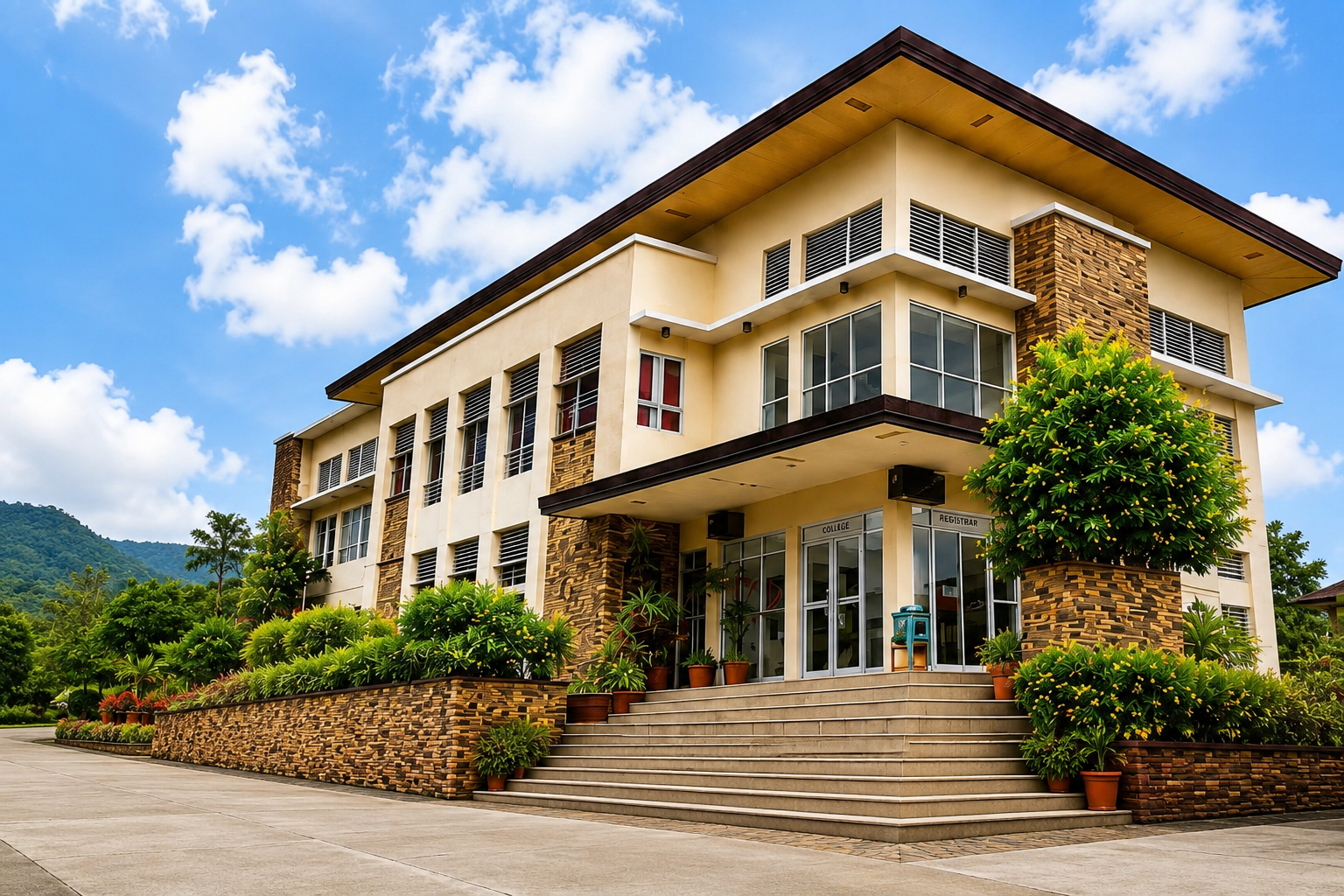
Welcome to Tubod College . It was founded in 2018, and Tubod College has grown into one of the leading institutions of higher education.

Quick Contact:
Follow Us:

Welcome to Tubod College . It was founded in 2018, and Tubod College has grown into one of the leading institutions of higher education.

Quick Contact:
Follow Us:

SDG – 6

Education goes beyond textbooks and classrooms. We believe in empowering students to explore their passions challenge conventions.

bnr-arrow-1-1

Sustainable Development Goals

E_SDG_logo_Square_WEB.png
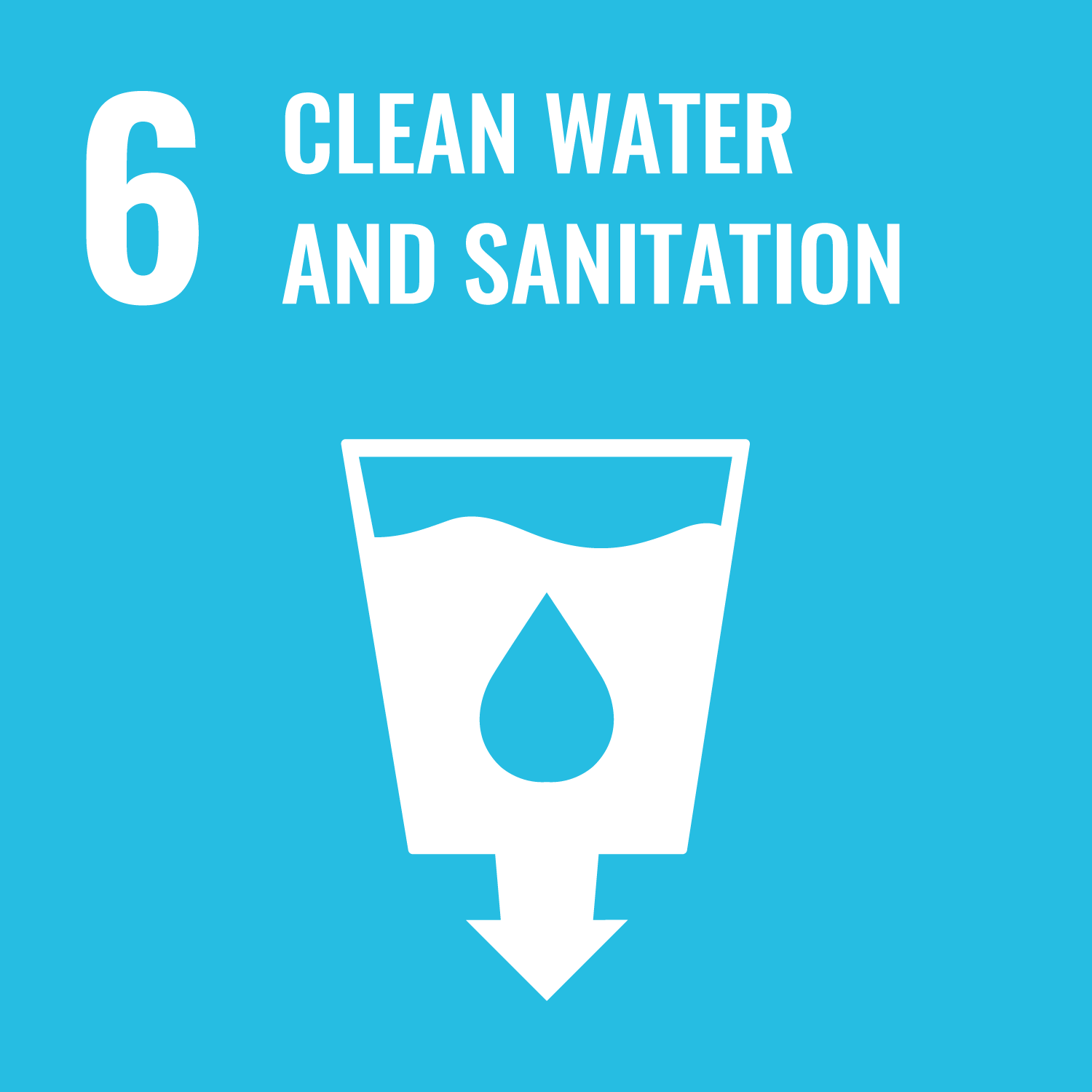
E-WEB-Goal-06

SDG 6: CLEAN WATER AND SANITATION

Sustainable Development Goal 6: Clean Water and Sanitation focuses on ensuring the availability and sustainable management of water and sanitation for all.

For an institution located within a community environment where agriculture, households, and natural resources are interconnected, responsible water management is an important component of sustainable development.

Tubod College’s IGA 9: Environmental Stewardship and Sustainable Development specifically identifies water conservation as an important sustainability practice.

Academic Affairs Services:

Tubod College’s Academic Affairs services concretely advance the institution’s vision of providing transformative, accessible, and community-responsive higher education in Northern Mindanao. Anchored on the mission to form ethically grounded, socially responsible, and professionally competent graduates, Academic Affairs ensures that all academic programs are systematically designed, implemented, and continuously improved in accordance with CHED policies, Education 2030, and the United Nations Sustainable Development Goals—particularly SDG 4 on inclusive and equitable quality education. 

In operational terms, Academic Affairs leads the development, periodic review, and enhancement of curricula through outcomes-based and competency-driven frameworks. This includes the formulation and updating of Program Educational Objectives and Program Outcomes, curriculum mapping to institutional graduate attributes, and the institutional use of standardized syllabus templates that integrate SDG alignment, community engagement, and assessment mechanisms. The office organizes regular faculty development activities focused on OBE, assessment literacy, research integration, and digital learning, thereby strengthening instructional quality and academic rigor.

Furthermore, Academic Affairs coordinates structured assessment and evaluation cycles, using evidence from student performance, practicum, and community-based learning experiences to inform program refinements and policy decisions. It also drives accreditation and Certificate of Program Compliance (COPC) readiness by overseeing documentation, internal audits, and alignment with institutional development targets. Through these deliberate and actionable initiatives, Academic Affairs translates Tubod College’s Institutional Development Plan into lived academic practice, ensuring that the institution remains a dynamic catalyst for sustainable social, economic, and environmental development in Tubod, Lanao del Norte, Mindanao, and the wider Philippines.

TUBOD COLLEGE INSTITUTIONAL GRADUATE ATTRIBUTES (IGA)

IGA 1: Knowledge Excellence and Lifelon

Graduates demonstrate broad and coherent specialized knowledge in their field of study, apply current theories and best practices, engage in continuous professional development, and adapt to emerging trends and innovations in their discipline to remain globally competitive and locally relevant. Aligned with: Vision as “academic leader”; IDP Agenda 1 (Academic Excellence); Core Value – Nobility; SDG 4 (Quality Education); PQF Level 6 – mastery of discipline.

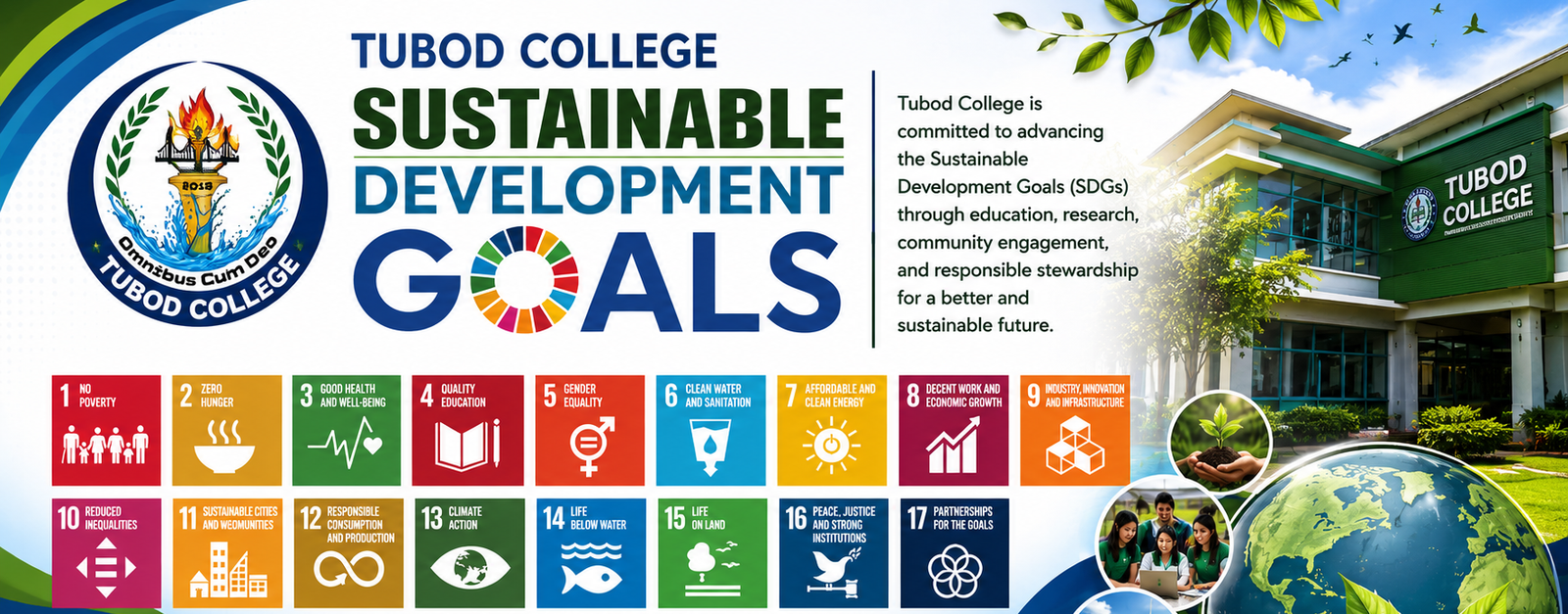
The SDGs provide Tubod College with a common framework for connecting its educational mission with broader local, national, and global development priorities. The College’s approach can be organized around seven major institutional dimensions:

  1. Quality Education — developing competent, ethical, innovative, and socially responsible graduates.
  2. Research and Innovation — producing evidence-based solutions to community and professional challenges.
  3. Community Engagement — translating academic knowledge into meaningful community action.
  4. Economic Empowerment — supporting entrepreneurship, employment, agriculture, and sustainable livelihoods.
  5. Social Justice and Inclusion — promoting equity, human rights, cultural diversity, and inclusive participation.
  6. Environmental Sustainability — protecting natural resources and promoting sustainable development.
  7. Partnership and Governance — building collaborative relationships that strengthen institutional and community development.

IGA 2: Research, Innovation and Evidence-Based Practice

Graduates conduct research using appropriate methodologies, generate evidence-based solutions to community and professional challenges, apply critical and analytical thinking, utilize technology and digital tools effectively, and contribute to knowledge advancement through research outputs and innovative practices. Aligned with: IDP Agenda 2 (Research & Innovation); Agenda 4 (Technology Development); Mission of “innovative learning experiences”; SDG 4.7, SDG 9 (Innovation & Infrastructure); CHED research capability requirement.

The SDGs provide Tubod College with a common framework for connecting its educational mission with broader local, national, and global development priorities. The College’s approach can be organized around seven major institutional dimensions:

  1. Quality Education — developing competent, ethical, innovative, and socially responsible graduates.
  2. Research and Innovation — producing evidence-based solutions to community and professional challenges.
  3. Community Engagement — translating academic knowledge into meaningful community action.
  4. Economic Empowerment — supporting entrepreneurship, employment, agriculture, and sustainable livelihoods.
  5. Social Justice and Inclusion — promoting equity, human rights, cultural diversity, and inclusive participation.
  6. Environmental Sustainability — protecting natural resources and promoting sustainable development.
  7. Partnership and Governance — building collaborative relationships that strengthen institutional and community development.

IGA 3: Effective Communication and Collabor

Graduates communicate clearly and effectively in diverse contexts using appropriate language and media, work collaboratively in multi-disciplinary and multi-cultural teams, build strategic partnerships, and engage stakeholders across professional, academic, and community settings. Aligned with: Core Value – Teamwork; Vision “uniting communities”; IDP Agenda 5 (Community Engagement & Strategic Partnerships); SDG 4.7 (Global citizenship); SDG 17 (Partnerships).

The SDGs provide Tubod College with a common framework for connecting its educational mission with broader local, national, and global development priorities. The College’s approach can be organized around seven major institutional dimensions:

  1. Quality Education — developing competent, ethical, innovative, and socially responsible graduates.
  2. Research and Innovation — producing evidence-based solutions to community and professional challenges.
  3. Community Engagement — translating academic knowledge into meaningful community action.
  4. Economic Empowerment — supporting entrepreneurship, employment, agriculture, and sustainable livelihoods.
  5. Social Justice and Inclusion — promoting equity, human rights, cultural diversity, and inclusive participation.
  6. Environmental Sustainability — protecting natural resources and promoting sustainable development.
  7. Partnership and Governance — building collaborative relationships that strengthen institutional and community development.

IGA 4: Ethical Leadership and Professional Integrity

Graduates demonstrate ethical decision-making, uphold professional standards and codes of conduct in their respective fields, exercise leadership with integrity and accountability, work with substantial independence, and guide others toward achieving common objectives with sound judgment. Aligned with: Core Values – Integrity, Nobility; Vision as “academic leader”; IDP focus on quality and excellence; SDG 16 (Peace, Justice & Strong Institutions); PQF Level 6 – professional autonomy.

The SDGs provide Tubod College with a common framework for connecting its educational mission with broader local, national, and global development priorities. The College’s approach can be organized around seven major institutional dimensions:

  1. Quality Education — developing competent, ethical, innovative, and socially responsible graduates.
  2. Research and Innovation — producing evidence-based solutions to community and professional challenges.
  3. Community Engagement — translating academic knowledge into meaningful community action.
  4. Economic Empowerment — supporting entrepreneurship, employment, agriculture, and sustainable livelihoods.
  5. Social Justice and Inclusion — promoting equity, human rights, cultural diversity, and inclusive participation.
  6. Environmental Sustainability — protecting natural resources and promoting sustainable development.
  7. Partnership and Governance — building collaborative relationships that strengthen institutional and community development.

IGA 5: Social Responsibility and Community Empowerment

Graduates actively engage in community development, demonstrate commitment to nation-building, address the needs of underserved communities through extension and outreach programs, practice corporate citizenship, and contribute to sustainable transformation through accessible and responsive service. Aligned with: Vision “empowering communities for sustainable transformation”; Mission to serve communities; IDP Agenda 5 (Community Engagement); SDG 1 (No Poverty); SDG 11 (Sustainable Communities); SDG 17 (Partnerships).

The SDGs provide Tubod College with a common framework for connecting its educational mission with broader local, national, and global development priorities. The College’s approach can be organized around seven major institutional dimensions:

  1. Quality Education — developing competent, ethical, innovative, and socially responsible graduates.
  2. Research and Innovation — producing evidence-based solutions to community and professional challenges.
  3. Community Engagement — translating academic knowledge into meaningful community action.
  4. Economic Empowerment — supporting entrepreneurship, employment, agriculture, and sustainable livelihoods.
  5. Social Justice and Inclusion — promoting equity, human rights, cultural diversity, and inclusive participation.
  6. Environmental Sustainability — protecting natural resources and promoting sustainable development.
  7. Partnership and Governance — building collaborative relationships that strengthen institutional and community development.

IGA 6: Social Justice, Equity and Human Rights Advocacy

Graduates uphold and advocate for human rights, social justice, gender equality, cultural diversity and inclusion, demonstrate sensitivity to marginalized groups including indigenous peoples and persons with disabilities, and work toward reducing inequalities in their professional practice and community engagement.  Aligned with: Core Value – Nobility; Mission of “accessible quality education”; Vision of “sustainable transformation”; SDG 5 (Gender Equality); SDG 10 (Reduced Inequalities); SDG 16 (Justice & Inclusion).

The SDGs provide Tubod College with a common framework for connecting its educational mission with broader local, national, and global development priorities. The College’s approach can be organized around seven major institutional dimensions:

  1. Quality Education — developing competent, ethical, innovative, and socially responsible graduates.
  2. Research and Innovation — producing evidence-based solutions to community and professional challenges.
  3. Community Engagement — translating academic knowledge into meaningful community action.
  4. Economic Empowerment — supporting entrepreneurship, employment, agriculture, and sustainable livelihoods.
  5. Social Justice and Inclusion — promoting equity, human rights, cultural diversity, and inclusive participation.
  6. Environmental Sustainability — protecting natural resources and promoting sustainable development.
  7. Partnership and Governance — building collaborative relationships that strengthen institutional and community development.

IGA 7: Creative Problem-Solving and Entrepreneurial Mindset

Graduates identify opportunities and challenges, develop creative and innovative solutions, apply entrepreneurial thinking, demonstrate agility and adaptability in addressing complex problems, and create value in professional practice and community development through resourcefulness and initiative.  Aligned with: Core Value – Agility; Mission of “innovative learning experiences”; IDP Goal on “agricultural resilience and sustainable livelihood”; SDG 8 (Decent Work & Economic Growth); SDG 9 (Innovation); CHED emphasis on innovation.

The SDGs provide Tubod College with a common framework for connecting its educational mission with broader local, national, and global development priorities. The College’s approach can be organized around seven major institutional dimensions:

  1. Quality Education — developing competent, ethical, innovative, and socially responsible graduates.
  2. Research and Innovation — producing evidence-based solutions to community and professional challenges.
  3. Community Engagement — translating academic knowledge into meaningful community action.
  4. Economic Empowerment — supporting entrepreneurship, employment, agriculture, and sustainable livelihoods.
  5. Social Justice and Inclusion — promoting equity, human rights, cultural diversity, and inclusive participation.
  6. Environmental Sustainability — protecting natural resources and promoting sustainable development.
  7. Partnership and Governance — building collaborative relationships that strengthen institutional and community development.

IGA 8: Resource Stewardship and Financial Sustainability

Graduates effectively manage and optimize resources, demonstrate financial literacy and sustainability practices, develop strategic partnerships for resource generation, practice responsible consumption and production, and contribute to institutional and community financial resilience through efficient and ethical resource utilization.Aligned with: IDP Agenda 3 (Resource Generation & Financial Sustainability); Goal to “optimize resources and uphold financial sustainability”; SDG 12 (Responsible Consumption & Production); SDG 8 (Economic Growth).

The SDGs provide Tubod College with a common framework for connecting its educational mission with broader local, national, and global development priorities. The College’s approach can be organized around seven major institutional dimensions:

  1. Quality Education — developing competent, ethical, innovative, and socially responsible graduates.
  2. Research and Innovation — producing evidence-based solutions to community and professional challenges.
  3. Community Engagement — translating academic knowledge into meaningful community action.
  4. Economic Empowerment — supporting entrepreneurship, employment, agriculture, and sustainable livelihoods.
  5. Social Justice and Inclusion — promoting equity, human rights, cultural diversity, and inclusive participation.
  6. Environmental Sustainability — protecting natural resources and promoting sustainable development.
  7. Partnership and Governance — building collaborative relationships that strengthen institutional and community development.

IGA 9: Environmental Stewardship and Sustainable Development

Graduates apply principles of environmental sustainability, practice eco-friendly approaches including organic farming, water conservation, climate action and biodiversity preservation, promote environmental education and awareness, and contribute to sustainable transformation through environmental stewardship in their professional and community roles.  Aligned with: IDP Agenda 7 (Sustainability & Environmental Stewardship); Goal on “environmental stewardship, agricultural resilience and food security”; SDG 2 (Zero Hunger); SDG 6 (Clean Water); SDG 7 (Clean Energy); SDG 13 (Climate Action); SDG 15 (Life on Land).

The SDGs provide Tubod College with a common framework for connecting its educational mission with broader local, national, and global development priorities. The College’s approach can be organized around seven major institutional dimensions:

  1. Quality Education — developing competent, ethical, innovative, and socially responsible graduates.
  2. Research and Innovation — producing evidence-based solutions to community and professional challenges.
  3. Community Engagement — translating academic knowledge into meaningful community action.
  4. Economic Empowerment — supporting entrepreneurship, employment, agriculture, and sustainable livelihoods.
  5. Social Justice and Inclusion — promoting equity, human rights, cultural diversity, and inclusive participation.
  6. Environmental Sustainability — protecting natural resources and promoting sustainable development.
  7. Partnership and Governance — building collaborative relationships that strengthen institutional and community development.

IGA 10: Cultural Competence, Well-being and Holistic Development

Graduates demonstrate cultural sensitivity and respect for diversity in Northern Mindanao and beyond, practice self-awareness and reflective thinking, maintain work-life balance, prioritize physical and mental health and wellness, engage in continuous personal and professional growth, and embody holistic development as socially responsible and globally-minded citizens. Aligned with: Core Value – Work-Life Balance; Vision “uniting communities in Northern Mindanao”; IDP Agenda 6 (Health, Wellness & Well-being); Goal on “employee well-being and growth”; SDG 3 (Good Health & Well-being); SDG 4 (Lifelong learning); SDG 10(Inclusion).

The SDGs provide Tubod College with a common framework for connecting its educational mission with broader local, national, and global development priorities. The College’s approach can be organized around seven major institutional dimensions:

  1. Quality Education — developing competent, ethical, innovative, and socially responsible graduates.
  2. Research and Innovation — producing evidence-based solutions to community and professional challenges.
  3. Community Engagement — translating academic knowledge into meaningful community action.
  4. Economic Empowerment — supporting entrepreneurship, employment, agriculture, and sustainable livelihoods.
  5. Social Justice and Inclusion — promoting equity, human rights, cultural diversity, and inclusive participation.
  6. Environmental Sustainability — protecting natural resources and promoting sustainable development.
  7. Partnership and Governance — building collaborative relationships that strengthen institutional and community development.

Significance to Tubod College

The College can promote responsible water use through:

  • Water conservation campaigns.
  • Proper sanitation practices.
  • Campus water-management initiatives.
  • Environmental education.
  • Research on local water resources.
  • Community awareness programs.
  • Sustainable agricultural water practices.
  • Wastewater and pollution prevention awareness.

Students can become advocates for responsible water management within their homes, workplaces, farms, and communities.

Through education and institutional practice, Tubod College can contribute to a culture where water is treated as a valuable resource that must be protected for present and future generations.

Related Programs

Dept. of Social Work Program

  • Community Immersion
  • Ethical and Professional Training
  • Field Practicum
Apply Now

Dept. of Entrepreneurship Program

  • Business Innovation
  • Industry-Based Learning
  • Startup Development
Apply Now

Dept. of Criminology Program

  • Professional Law Enforcement Training
  • Crime Investigation Skills
  • Leadership and Discipline
Apply Now

Dept. of Agriculture Program

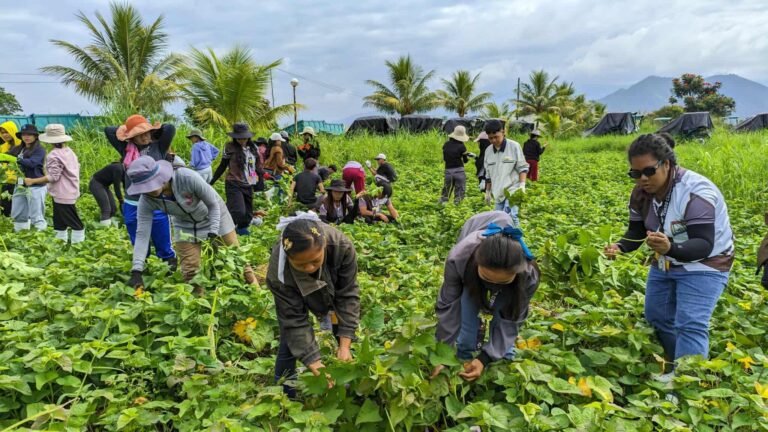
  • Hands-On Farm Training
  • Sustainable Agriculture
  • Research and Innovation
Apply Now

Dept. of Early Childhood Education Program

  • Experienced Faculty
  • Student-Centered Learning
  • Teaching Practicum
Apply Now

Introductions Department of Software Engineering

Our program costs are designed to remain transparent competitive and accessible for students from diverse backgrounds Each academic program includes tuition fees, registration charges and essential learning resources ensuring students receive high-quality education and comprehensive academic support Costs may vary based on program type, course load, and mode of study (on-campus, hybrid, or online) We aim to provide exceptional value through modern facilities, expert faculty, and industry aligned curriculum making your investment in education both meaningful and future-focused.

Department Overview

Our program costs are designed to remain transparent competitive and accessible for students from diverse backgrounds Each academic program includes tuition fees, registration charges and essential learning resources ensuring students receive high-quality education and comprehensive academic support Costs may vary based on program type, course load, and mode of study (on-campus, hybrid, or online) We aim to provide exceptional value through modern facilities, expert faculty, and industry aligned curriculum making your investment in education both meaningful and future-focused.

Related Programs

Dept. of Social Work Program

Be the advocate who turns compassion into lasting change. The Bachelor of Science in Social Work at Tubod College trains professionals to understand families, communities, and the complex issues of poverty, inequality, and social vulnerability in the Philippine context. Drawing inspiration from leading social work programs, the curriculum emphasizes human rights, social justice, policy literacy, and hands-on community immersion. Graduates can serve in government agencies such as DSWD and LGUs, NGOs, schools, hospitals, faith-based institutions, and international development organizations. By designing and delivering social welfare programs, social workers empower at-risk groups, strengthen families, and build inclusive communities—key pillars of sustainable social development in Lanao del Norte and the rest of Mindanao.
  • Community Immersion
  • Ethical and Professional Training
  • Field Practicum
Apply Now

Dept. of Entrepreneurship Program

Turn local opportunity into sustainable enterprise. The Bachelor of Science in Entrepreneurship at Tubod College develops confident, innovative, and socially responsible business builders ready to thrive in today’s competitive economy. Inspired by marketing and entrepreneurship programs in top universities, the curriculum covers business planning, finance, digital marketing, customer experience, and enterprise growth with a strong focus on local markets. Graduates can launch their own startups, manage family businesses, work as business consultants, or join dynamic enterprises in retail, services, agriculture, tourism, and technology. Entrepreneurship graduates generate jobs, stimulate local economies, and champion inclusive, sustainable growth—helping turn Tubod and Lanao del Norte into hubs of opportunity and innovation.
  • Business Innovation
  • Industry-Based Learning
  • Startup Development
Apply Now

Dept. of Criminology Program

Be the protector, investigator, and leader your community needs. The Bachelor of Science in Criminology at Tubod College builds a strong foundation in crime detection, law enforcement, forensic science, and criminal justice, preparing students for real-world public safety challenges. Modeled on best practices from top criminology schools, the program develops discipline, analytical thinking, and ethical decision-making aligned with national law enforcement standards. Career paths include roles in the Philippine National Police, Bureau of Jail Management and Penology, Bureau of Fire Protection, National Bureau of Investigation, security agencies, and investigative services. As future criminologists, graduates help ensure peace and order, protect vulnerable communities, and contribute directly to sustainable development by making towns and cities safer places to live and invest.
  • Professional Law Enforcement Training
  • Crime Investigation Skills
  • Leadership and Discipline
Apply Now

Dept. of Agriculture Program

Grow prosperity, food security, and climate-resilient communities. Tubod College’s Bachelor of Science in Agriculture integrates modern farming technologies, sustainable land management, and agribusiness strategies to meet the needs of a changing agricultural landscape. Guided by national trends and global sustainability goals, students learn how to increase productivity while protecting the environment and supporting rural livelihoods. Graduates can work in farm and plantation management, agricultural extension, research, agribusiness enterprises, and government agencies such as the Department of Agriculture and local government units. They become frontlines in ensuring food security, promoting climate-smart agriculture, and driving rural development—crucial for the long-term progress of Tubod, Lanao del Norte, and neighboring provinces.
  • Hands-On Farm Training
  • Sustainable Agriculture
  • Research and Innovation
Apply Now
Blog & News

Read Our Latest News

Sorry, no posts found.