SDG – 1
Education goes beyond textbooks and classrooms. We believe in empowering students to explore their passions challenge conventions.
Sustainable Development Goals
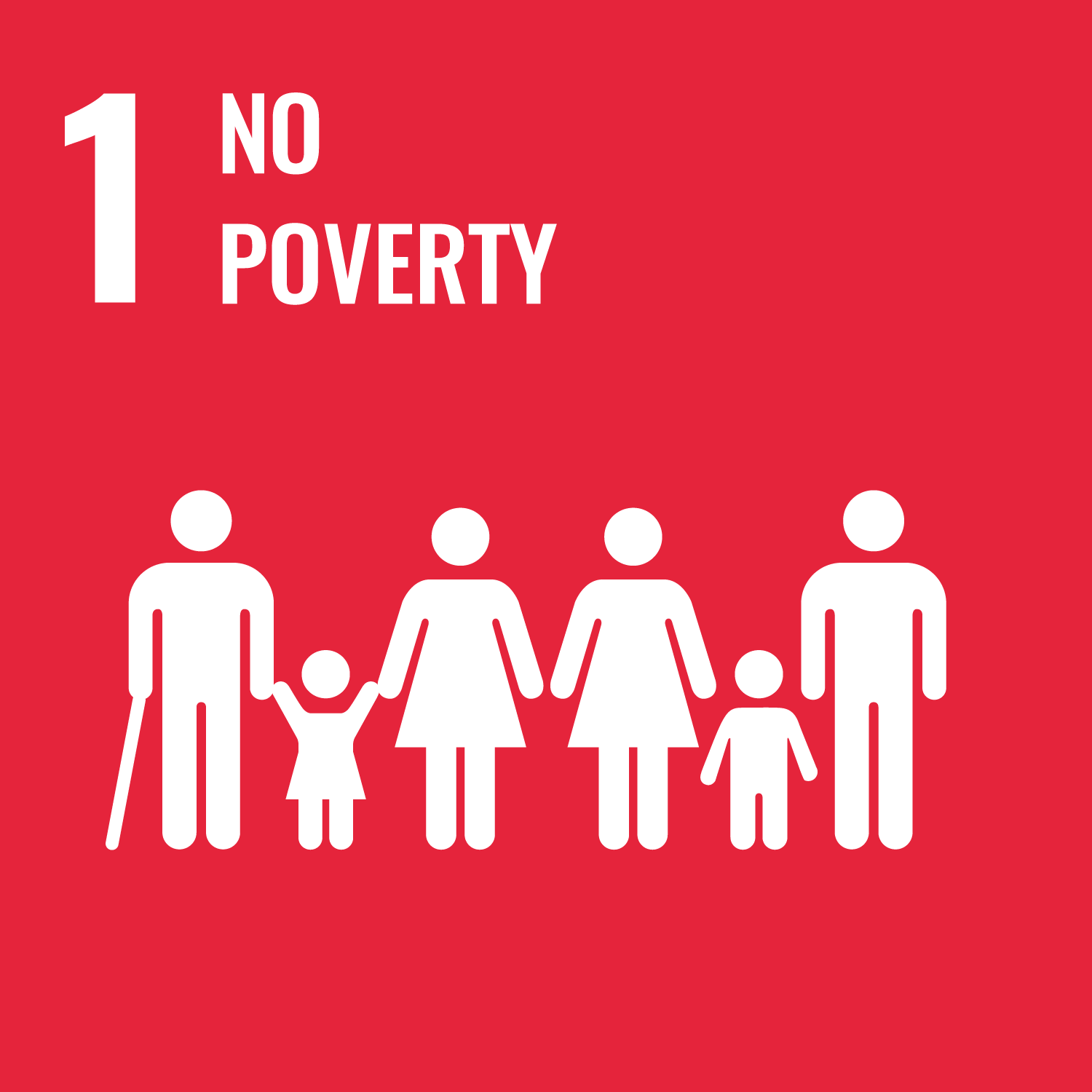
SDG 1: NO POVERTY
Sustainable Development Goal 1: No Poverty seeks to end poverty in all its forms everywhere. For Tubod College, this goal represents the institution’s commitment to making higher education an instrument for social mobility, community empowerment, livelihood development, and inclusive growth.
As an institution serving the communities of Tubod, Lanao del Norte, and Northern Mindanao, Tubod College recognizes that education can provide individuals and families with opportunities to improve their economic circumstances. Accessible and responsive higher education enables students to acquire knowledge, professional competencies, entrepreneurial capabilities, and values that can contribute to sustainable livelihoods.
Tubod College’s vision of empowering communities for sustainable transformation directly supports this objective. Through its academic programs, extension activities, community engagement, research, and partnerships, the College can help address circumstances that contribute to poverty and limited opportunities.
The institution’s Institutional Graduate Attribute 5: Social Responsibility and Community Empowerment specifically supports this direction. Graduates are expected to engage in community development, address the needs of underserved communities, participate in extension and outreach programs, and contribute to sustainable transformation.
Academic Affairs Services:
Tubod College’s Academic Affairs services concretely advance the institution’s vision of providing transformative, accessible, and community-responsive higher education in Northern Mindanao. Anchored on the mission to form ethically grounded, socially responsible, and professionally competent graduates, Academic Affairs ensures that all academic programs are systematically designed, implemented, and continuously improved in accordance with CHED policies, Education 2030, and the United Nations Sustainable Development Goals—particularly SDG 4 on inclusive and equitable quality education.
In operational terms, Academic Affairs leads the development, periodic review, and enhancement of curricula through outcomes-based and competency-driven frameworks. This includes the formulation and updating of Program Educational Objectives and Program Outcomes, curriculum mapping to institutional graduate attributes, and the institutional use of standardized syllabus templates that integrate SDG alignment, community engagement, and assessment mechanisms. The office organizes regular faculty development activities focused on OBE, assessment literacy, research integration, and digital learning, thereby strengthening instructional quality and academic rigor.
Furthermore, Academic Affairs coordinates structured assessment and evaluation cycles, using evidence from student performance, practicum, and community-based learning experiences to inform program refinements and policy decisions. It also drives accreditation and Certificate of Program Compliance (COPC) readiness by overseeing documentation, internal audits, and alignment with institutional development targets. Through these deliberate and actionable initiatives, Academic Affairs translates Tubod College’s Institutional Development Plan into lived academic practice, ensuring that the institution remains a dynamic catalyst for sustainable social, economic, and environmental development in Tubod, Lanao del Norte, Mindanao, and the wider Philippines.

TUBOD COLLEGE INSTITUTIONAL GRADUATE ATTRIBUTES (IGA)
IGA 1: Knowledge Excellence and Lifelon
Graduates demonstrate broad and coherent specialized knowledge in their field of study, apply current theories and best practices, engage in continuous professional development, and adapt to emerging trends and innovations in their discipline to remain globally competitive and locally relevant. Aligned with: Vision as “academic leader”; IDP Agenda 1 (Academic Excellence); Core Value – Nobility; SDG 4 (Quality Education); PQF Level 6 – mastery of discipline.
The SDGs provide Tubod College with a common framework for connecting its educational mission with broader local, national, and global development priorities. The College’s approach can be organized around seven major institutional dimensions:
- Quality Education — developing competent, ethical, innovative, and socially responsible graduates.
- Research and Innovation — producing evidence-based solutions to community and professional challenges.
- Community Engagement — translating academic knowledge into meaningful community action.
- Economic Empowerment — supporting entrepreneurship, employment, agriculture, and sustainable livelihoods.
- Social Justice and Inclusion — promoting equity, human rights, cultural diversity, and inclusive participation.
- Environmental Sustainability — protecting natural resources and promoting sustainable development.
- Partnership and Governance — building collaborative relationships that strengthen institutional and community development.
IGA 2: Research, Innovation and Evidence-Based Practice
Graduates conduct research using appropriate methodologies, generate evidence-based solutions to community and professional challenges, apply critical and analytical thinking, utilize technology and digital tools effectively, and contribute to knowledge advancement through research outputs and innovative practices. Aligned with: IDP Agenda 2 (Research & Innovation); Agenda 4 (Technology Development); Mission of “innovative learning experiences”; SDG 4.7, SDG 9 (Innovation & Infrastructure); CHED research capability requirement.
The SDGs provide Tubod College with a common framework for connecting its educational mission with broader local, national, and global development priorities. The College’s approach can be organized around seven major institutional dimensions:
- Quality Education — developing competent, ethical, innovative, and socially responsible graduates.
- Research and Innovation — producing evidence-based solutions to community and professional challenges.
- Community Engagement — translating academic knowledge into meaningful community action.
- Economic Empowerment — supporting entrepreneurship, employment, agriculture, and sustainable livelihoods.
- Social Justice and Inclusion — promoting equity, human rights, cultural diversity, and inclusive participation.
- Environmental Sustainability — protecting natural resources and promoting sustainable development.
- Partnership and Governance — building collaborative relationships that strengthen institutional and community development.
IGA 3: Effective Communication and Collabor
Graduates communicate clearly and effectively in diverse contexts using appropriate language and media, work collaboratively in multi-disciplinary and multi-cultural teams, build strategic partnerships, and engage stakeholders across professional, academic, and community settings. Aligned with: Core Value – Teamwork; Vision “uniting communities”; IDP Agenda 5 (Community Engagement & Strategic Partnerships); SDG 4.7 (Global citizenship); SDG 17 (Partnerships).
The SDGs provide Tubod College with a common framework for connecting its educational mission with broader local, national, and global development priorities. The College’s approach can be organized around seven major institutional dimensions:
- Quality Education — developing competent, ethical, innovative, and socially responsible graduates.
- Research and Innovation — producing evidence-based solutions to community and professional challenges.
- Community Engagement — translating academic knowledge into meaningful community action.
- Economic Empowerment — supporting entrepreneurship, employment, agriculture, and sustainable livelihoods.
- Social Justice and Inclusion — promoting equity, human rights, cultural diversity, and inclusive participation.
- Environmental Sustainability — protecting natural resources and promoting sustainable development.
- Partnership and Governance — building collaborative relationships that strengthen institutional and community development.
IGA 4: Ethical Leadership and Professional Integrity
Graduates demonstrate ethical decision-making, uphold professional standards and codes of conduct in their respective fields, exercise leadership with integrity and accountability, work with substantial independence, and guide others toward achieving common objectives with sound judgment. Aligned with: Core Values – Integrity, Nobility; Vision as “academic leader”; IDP focus on quality and excellence; SDG 16 (Peace, Justice & Strong Institutions); PQF Level 6 – professional autonomy.
The SDGs provide Tubod College with a common framework for connecting its educational mission with broader local, national, and global development priorities. The College’s approach can be organized around seven major institutional dimensions:
- Quality Education — developing competent, ethical, innovative, and socially responsible graduates.
- Research and Innovation — producing evidence-based solutions to community and professional challenges.
- Community Engagement — translating academic knowledge into meaningful community action.
- Economic Empowerment — supporting entrepreneurship, employment, agriculture, and sustainable livelihoods.
- Social Justice and Inclusion — promoting equity, human rights, cultural diversity, and inclusive participation.
- Environmental Sustainability — protecting natural resources and promoting sustainable development.
- Partnership and Governance — building collaborative relationships that strengthen institutional and community development.
IGA 5: Social Responsibility and Community Empowerment
Graduates actively engage in community development, demonstrate commitment to nation-building, address the needs of underserved communities through extension and outreach programs, practice corporate citizenship, and contribute to sustainable transformation through accessible and responsive service. Aligned with: Vision “empowering communities for sustainable transformation”; Mission to serve communities; IDP Agenda 5 (Community Engagement); SDG 1 (No Poverty); SDG 11 (Sustainable Communities); SDG 17 (Partnerships).
The SDGs provide Tubod College with a common framework for connecting its educational mission with broader local, national, and global development priorities. The College’s approach can be organized around seven major institutional dimensions:
- Quality Education — developing competent, ethical, innovative, and socially responsible graduates.
- Research and Innovation — producing evidence-based solutions to community and professional challenges.
- Community Engagement — translating academic knowledge into meaningful community action.
- Economic Empowerment — supporting entrepreneurship, employment, agriculture, and sustainable livelihoods.
- Social Justice and Inclusion — promoting equity, human rights, cultural diversity, and inclusive participation.
- Environmental Sustainability — protecting natural resources and promoting sustainable development.
- Partnership and Governance — building collaborative relationships that strengthen institutional and community development.
IGA 6: Social Justice, Equity and Human Rights Advocacy
Graduates uphold and advocate for human rights, social justice, gender equality, cultural diversity and inclusion, demonstrate sensitivity to marginalized groups including indigenous peoples and persons with disabilities, and work toward reducing inequalities in their professional practice and community engagement. Aligned with: Core Value – Nobility; Mission of “accessible quality education”; Vision of “sustainable transformation”; SDG 5 (Gender Equality); SDG 10 (Reduced Inequalities); SDG 16 (Justice & Inclusion).
The SDGs provide Tubod College with a common framework for connecting its educational mission with broader local, national, and global development priorities. The College’s approach can be organized around seven major institutional dimensions:
- Quality Education — developing competent, ethical, innovative, and socially responsible graduates.
- Research and Innovation — producing evidence-based solutions to community and professional challenges.
- Community Engagement — translating academic knowledge into meaningful community action.
- Economic Empowerment — supporting entrepreneurship, employment, agriculture, and sustainable livelihoods.
- Social Justice and Inclusion — promoting equity, human rights, cultural diversity, and inclusive participation.
- Environmental Sustainability — protecting natural resources and promoting sustainable development.
- Partnership and Governance — building collaborative relationships that strengthen institutional and community development.
IGA 7: Creative Problem-Solving and Entrepreneurial Mindset
Graduates identify opportunities and challenges, develop creative and innovative solutions, apply entrepreneurial thinking, demonstrate agility and adaptability in addressing complex problems, and create value in professional practice and community development through resourcefulness and initiative. Aligned with: Core Value – Agility; Mission of “innovative learning experiences”; IDP Goal on “agricultural resilience and sustainable livelihood”; SDG 8 (Decent Work & Economic Growth); SDG 9 (Innovation); CHED emphasis on innovation.
The SDGs provide Tubod College with a common framework for connecting its educational mission with broader local, national, and global development priorities. The College’s approach can be organized around seven major institutional dimensions:
- Quality Education — developing competent, ethical, innovative, and socially responsible graduates.
- Research and Innovation — producing evidence-based solutions to community and professional challenges.
- Community Engagement — translating academic knowledge into meaningful community action.
- Economic Empowerment — supporting entrepreneurship, employment, agriculture, and sustainable livelihoods.
- Social Justice and Inclusion — promoting equity, human rights, cultural diversity, and inclusive participation.
- Environmental Sustainability — protecting natural resources and promoting sustainable development.
- Partnership and Governance — building collaborative relationships that strengthen institutional and community development.
IGA 8: Resource Stewardship and Financial Sustainability
Graduates effectively manage and optimize resources, demonstrate financial literacy and sustainability practices, develop strategic partnerships for resource generation, practice responsible consumption and production, and contribute to institutional and community financial resilience through efficient and ethical resource utilization.Aligned with: IDP Agenda 3 (Resource Generation & Financial Sustainability); Goal to “optimize resources and uphold financial sustainability”; SDG 12 (Responsible Consumption & Production); SDG 8 (Economic Growth).
The SDGs provide Tubod College with a common framework for connecting its educational mission with broader local, national, and global development priorities. The College’s approach can be organized around seven major institutional dimensions:
- Quality Education — developing competent, ethical, innovative, and socially responsible graduates.
- Research and Innovation — producing evidence-based solutions to community and professional challenges.
- Community Engagement — translating academic knowledge into meaningful community action.
- Economic Empowerment — supporting entrepreneurship, employment, agriculture, and sustainable livelihoods.
- Social Justice and Inclusion — promoting equity, human rights, cultural diversity, and inclusive participation.
- Environmental Sustainability — protecting natural resources and promoting sustainable development.
- Partnership and Governance — building collaborative relationships that strengthen institutional and community development.
IGA 9: Environmental Stewardship and Sustainable Development
Graduates apply principles of environmental sustainability, practice eco-friendly approaches including organic farming, water conservation, climate action and biodiversity preservation, promote environmental education and awareness, and contribute to sustainable transformation through environmental stewardship in their professional and community roles. Aligned with: IDP Agenda 7 (Sustainability & Environmental Stewardship); Goal on “environmental stewardship, agricultural resilience and food security”; SDG 2 (Zero Hunger); SDG 6 (Clean Water); SDG 7 (Clean Energy); SDG 13 (Climate Action); SDG 15 (Life on Land).
The SDGs provide Tubod College with a common framework for connecting its educational mission with broader local, national, and global development priorities. The College’s approach can be organized around seven major institutional dimensions:
- Quality Education — developing competent, ethical, innovative, and socially responsible graduates.
- Research and Innovation — producing evidence-based solutions to community and professional challenges.
- Community Engagement — translating academic knowledge into meaningful community action.
- Economic Empowerment — supporting entrepreneurship, employment, agriculture, and sustainable livelihoods.
- Social Justice and Inclusion — promoting equity, human rights, cultural diversity, and inclusive participation.
- Environmental Sustainability — protecting natural resources and promoting sustainable development.
- Partnership and Governance — building collaborative relationships that strengthen institutional and community development.
IGA 10: Cultural Competence, Well-being and Holistic Development
Graduates demonstrate cultural sensitivity and respect for diversity in Northern Mindanao and beyond, practice self-awareness and reflective thinking, maintain work-life balance, prioritize physical and mental health and wellness, engage in continuous personal and professional growth, and embody holistic development as socially responsible and globally-minded citizens. Aligned with: Core Value – Work-Life Balance; Vision “uniting communities in Northern Mindanao”; IDP Agenda 6 (Health, Wellness & Well-being); Goal on “employee well-being and growth”; SDG 3 (Good Health & Well-being); SDG 4 (Lifelong learning); SDG 10(Inclusion).
The SDGs provide Tubod College with a common framework for connecting its educational mission with broader local, national, and global development priorities. The College’s approach can be organized around seven major institutional dimensions:
- Quality Education — developing competent, ethical, innovative, and socially responsible graduates.
- Research and Innovation — producing evidence-based solutions to community and professional challenges.
- Community Engagement — translating academic knowledge into meaningful community action.
- Economic Empowerment — supporting entrepreneurship, employment, agriculture, and sustainable livelihoods.
- Social Justice and Inclusion — promoting equity, human rights, cultural diversity, and inclusive participation.
- Environmental Sustainability — protecting natural resources and promoting sustainable development.
- Partnership and Governance — building collaborative relationships that strengthen institutional and community development.
Significance to Tubod College
SDG 1 is significant because poverty is closely connected to access to education, employment, entrepreneurship, agricultural productivity, and community development.
Tubod College can contribute through:
- Accessible and quality higher education.
- Community extension and outreach programs.
- Entrepreneurship education and livelihood development.
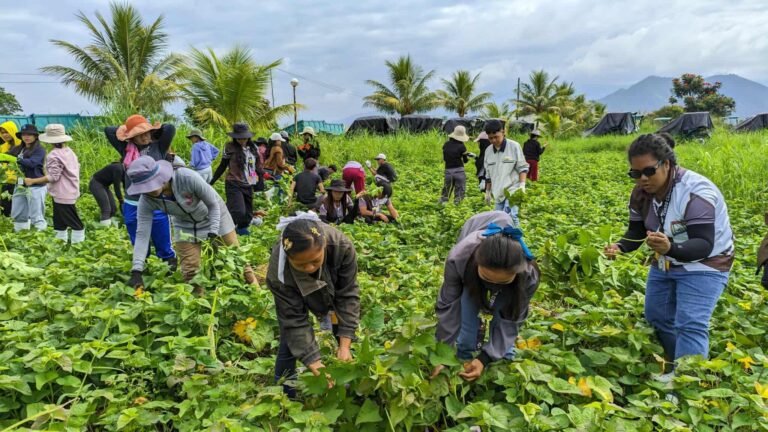
- Agricultural education and sustainable livelihood initiatives.
- Research addressing local socioeconomic challenges.
- Partnerships with government and community organizations.
- Development of graduates capable of creating employment and livelihood opportunities.
Through these initiatives, education becomes more than classroom instruction—it becomes a mechanism for economic empowerment and sustainable community transformation.
Related Programs
Dept. of Social Work Program
-
Community Immersion
-
Ethical and Professional Training
-
Field Practicum
Dept. of Entrepreneurship Program
-
Business Innovation
-
Industry-Based Learning
-
Startup Development
Dept. of Criminology Program
-
Professional Law Enforcement Training
-
Crime Investigation Skills
-
Leadership and Discipline
Dept. of Agriculture Program
-
Hands-On Farm Training
-
Sustainable Agriculture
-
Research and Innovation
Dept. of Early Childhood Education Program
-
Experienced Faculty
-
Student-Centered Learning
-
Teaching Practicum